

The petroleum industry’s approach to well intervention training has undergone significant transformation in recent years, with integrated simulation systems emerging as comprehensive solutions that address the complex technical, operational, and safety requirements of modern coiled tubing operations across diverse well types and geological environments. Coiled Tubing Simulation Well technology represents a sophisticated convergence of hardware realism, software accuracy, and pedagogical effectiveness that creates immersive training experiences far beyond traditional learning methods, providing essential platforms for developing the skilled workforce necessary for safe, efficient, and successful well intervention operations in increasingly challenging technical and operational contexts. These integrated systems combine multiple simulation components into cohesive training environments that replicate the complete operational ecosystem of actual coiled tubing activities, from equipment preparation and wellbore entry through intervention execution and post-operation procedures, creating comprehensive learning experiences that develop both technical competencies and operational decision-making capabilities essential for success in demanding well intervention environments.
Contemporary Coiled Tubing Simulation Well solutions incorporate advanced technological capabilities that create realistic, engaging, and effective training experiences designed to address the specific challenges and requirements of modern coiled tubing operations. High-fidelity equipment replication provides physical interfaces that match actual coiled tubing units in appearance, operation, and feedback characteristics, developing muscle memory, operational intuition, and equipment familiarity essential for effective performance during actual interventions. Accurate wellbore modeling creates virtual representations of actual geological formations, completion configurations, and operational conditions that influence coiled tubing behavior, intervention effectiveness, and safety considerations during training exercises. Comprehensive scenario development includes routine operational procedures, challenging technical situations, emergency response requirements, and team coordination activities that address the full spectrum of competencies necessary for successful coiled tubing operations across different well types, intervention objectives, and operational contexts encountered in actual field operations.
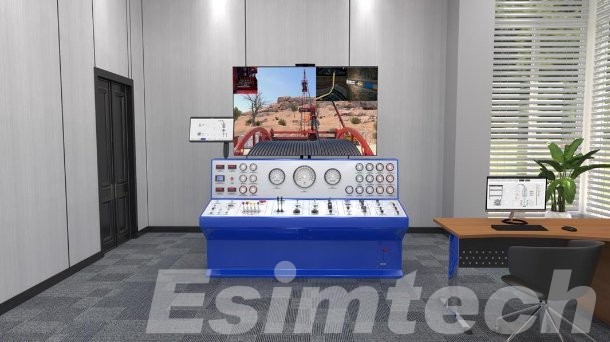
Comprehensive Training Ecosystem Development
The implementation of effective coiled tubing simulation well training programs involves the development of comprehensive training ecosystems that integrate multiple components, methodologies, and support systems to create cohesive learning experiences that maximize training effectiveness, support competency development, and ensure successful outcomes across different organizational contexts and operational requirements. These training ecosystems typically include several interconnected elements that work together to create complete learning environments. Physical simulation hardware provides realistic equipment interfaces, control systems, and feedback mechanisms that replicate the look, feel, and operation of actual coiled tubing units, developing the physical skills and operational familiarity necessary for effective performance during actual interventions. Software simulation platforms create accurate virtual representations of wellbore conditions, formation characteristics, fluid dynamics, and equipment responses that model the technical challenges and operational complexities of actual coiled tubing operations, supporting the development of technical understanding, problem-solving capabilities, and decision-making skills essential for success in challenging intervention environments.
Scenario development systems enable creation of diverse training exercises that address specific learning objectives, competency requirements, and operational challenges across different experience levels, technical specialties, and organizational roles within coiled tubing operations. These systems typically include libraries of pre-developed scenarios covering common operational situations, challenging technical problems, emergency response requirements, and team coordination activities that can be customized to address specific training needs, organizational requirements, and operational contexts. Assessment and evaluation tools provide objective measurement of trainee performance, competency development, skill acquisition, and knowledge application against established standards, benchmarks, and requirements for coiled tubing operations, supporting evidence-based training decisions, targeted development interventions, and continuous improvement tracking across different training cycles and personnel groups.
Curriculum integration frameworks connect simulation training with broader organizational learning systems, competency management programs, certification requirements, and operational procedures to ensure alignment between training activities, organizational objectives, regulatory expectations, and industry standards for coiled tubing operations. These frameworks typically include structured learning pathways that progress from basic concepts to advanced applications, competency mapping systems that align training activities with specific skill requirements, integration mechanisms that connect simulation exercises with theoretical instruction and practical experience, and evaluation processes that measure training effectiveness, identify improvement opportunities, and support continuous enhancement of training programs based on operational feedback, technological advancements, and changing industry requirements.
Innovative Training Methodologies and Pedagogical Approaches
Beyond traditional training approaches, coiled tubing simulation well technology enables several innovative methodologies and pedagogical approaches that enhance learning effectiveness, support skill development, and improve training outcomes across different experience levels, learning styles, and technical backgrounds. Progressive difficulty structuring creates training pathways that gradually increase complexity, challenge levels, and decision-making requirements as trainees develop competencies, building confidence, skill mastery, and operational readiness through systematic progression from basic concepts to advanced applications. Adaptive learning systems customize training experiences based on individual performance patterns, learning progress, competency development, and feedback responses, providing personalized learning pathways that address specific development needs, learning preferences, and experience levels for different trainees within diverse workforce populations.
Team-based training exercises create collaborative learning environments where multiple personnel work together to complete complex operational scenarios, developing communication skills, coordination capabilities, leadership qualities, and teamwork effectiveness essential for successful coiled tubing operations in actual field conditions. These exercises typically involve role assignments, responsibility distributions, communication protocols, and coordination requirements that mirror actual operational structures and team dynamics encountered during coiled tubing interventions, providing valuable practice opportunities for developing the interpersonal skills and collaborative capabilities necessary for effective team performance in challenging operational environments. Crisis simulation scenarios create high-pressure training situations that test decision-making capabilities, stress management skills, emergency response procedures, and problem-solving approaches under time constraints and challenging conditions, developing the psychological resilience, situational awareness, and rapid response capabilities necessary for effective performance during actual emergency situations where appropriate actions significantly influence safety outcomes and operational success.
Data-driven training optimization uses performance analytics, learning metrics, and assessment results to identify improvement opportunities, customize training approaches, and enhance learning effectiveness based on evidence-based insights into trainee performance patterns, skill development trajectories, knowledge acquisition rates, and competency achievement levels. These optimization approaches typically involve performance tracking systems that collect detailed data on trainee actions, decisions, responses, and outcomes during simulation exercises, analytical tools that identify patterns, trends, correlations, and improvement opportunities within training data, and intervention mechanisms that customize training content, adjust difficulty levels, provide targeted feedback, and implement improvement strategies based on analytical insights and performance evidence. Continuous improvement processes establish feedback loops, evaluation mechanisms, and enhancement procedures that support ongoing refinement of training programs based on operational experience, technological advancements, industry developments, and organizational requirements, ensuring training effectiveness, relevance, and value over time within dynamic operational environments and changing industry contexts.
As coiled tubing operations continue to evolve with increasing technical complexity, operational challenges, regulatory requirements, and safety considerations, the importance of comprehensive simulation training becomes increasingly apparent for maintaining operational excellence, safety performance, and workforce competency across different organizational contexts and geographical regions. Coiled Tubing Simulation Well technology provides essential tools for addressing these training requirements, offering sophisticated platforms that create realistic, engaging, and effective learning experiences that develop the competencies necessary for safe, efficient, and successful well intervention operations in challenging environments. With ongoing technological innovation, increasing industry adoption, demonstrated effectiveness in improving safety and performance, and alignment with digital transformation initiatives, coiled tubing simulation well training is likely to play an increasingly central role in shaping the future of well intervention workforce development, contributing to safer, more efficient, and more successful operations through enhanced competency development, confidence building, and performance improvement across different operational contexts, technical environments, and organizational requirements within the global petroleum industry and evolving energy landscape.