

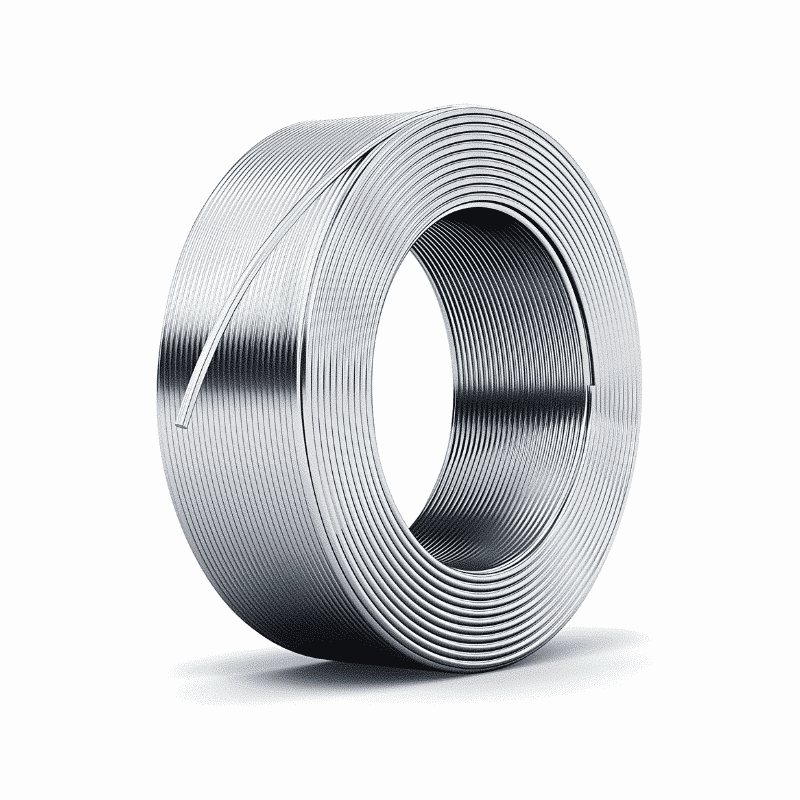
The global aluminium manufacture is undergoing a substantial transmutation, motivated by subject field excogitation, sustainability demands, and the maturation need for whippersnapper, high-performance materials. Aluminum, known for its prodigious strength-to-weight ratio, underground, and recyclability, has become a critical stuff for modern font industries. Among the sectors benefiting most from these advancements are construction and self-propelling manufacturing. Emerging trends in aluminium production and processing are not only rising stuff quality and but also reshaping how buildings and vehicles are studied and shapely.
One of the most guiding light trends in aluminium manufacturing is the growing adoption of property production methods. Traditionally, atomic number 13 smelting has been vitality-intensive, relying heavily on fossil fuels. However, the manufacture is now moving toward greener alternatives such as using inexhaustible vitality sources and implementing carbon paper capture technologies. Hydropower and solar vitality are increasingly being used in Al smelting, importantly reducing carbon paper emissions. Companies are also investing in low-carbon atomic number 13 initiatives, such as torpid anode technology, which can reject place greenhouse gas emissions from the smelting work on. These sustainability-driven innovations align with world efforts to decarburise heavy industries and meet stricter state of affairs regulations, particularly in regions such as the European Union and North America.
Recycling has also become a cornerstone of modern font aluminum manufacturing. Since aluminum can be recycled indefinitely without losing its properties, manufacturers are deepening efforts to regai and reuse trash metallic element. The energy needful to recycle Al is only about 5 of that needful for primary feather product, making it both cost-effective and environmentally salutary. As a lead, unsympathetic-loop recycling systems are becoming commons in moving and twist applications, where used aluminium parts are gathered, liquified, and repurposed into new components. This flier thriftiness go about not only preserves cancel resources but also enhances supply resilience amid fluctuating raw material costs.
Technological innovation is another key driver behind the aluminium industry s current phylogeny. Advanced casting and expulsion techniques, such as high-pressure die molding and additive manufacturing, are sanctionative the production of complex Al components with master physical science properties. Digitalization and mechanization are also revolutionizing product lines, allowing for greater precision, reduced waste, and quicker turnaround times. Smart manufacturing technologies, battery-powered by substitute intelligence and data analytics, are optimizing everything from work monitoring to quality verify. These innovations contribute to higher and , merging the growing demand for high-quality aluminium across industries.
In the twist sphere, these trends are translating into more sustainable and effective edifice practices. Aluminum s jackanapes and durable nature makes it nonesuch for morphological components, windowpane frames, facades, and roofing systems. The material s underground and power to hold out extremum weather conditions are particularly worthy in Bodoni font computer architecture, where longevity and aesthetics are evenly world-shattering. With the rise of putting green edifice initiatives, atomic number 13 s recyclability and low upkee needs are making it a desirable option for architects and developers aiming for certifications like LEED or
EEAM. Additionally, advances in come up finish and anodizing techniques have distended the plan possibilities for atomic number 13, allowing for visually striking and vitality-efficient edifice exteriors.
Urbanization and substructure are further fueling the demand for atomic number 13 in construction. Emerging economies in Asia, the Middle East, and Africa are investing to a great extent in housing, transit, and commercial projects, creating strong increase prospects for the aluminum commercialize. The integration of atomic number 13 in smart city projects and property infrastructure underscores its role as a material of the time to come. From modular edifice systems to star empanel frames, aluminium s versatility is helping the construction industry attain both and sustainability goals.
The moving sector, meanwhile, is experiencing an even more noticeable shift toward aluminum-intensive designs. The push for lightweighting reducing vehicle slant to ameliorate fuel and performance has made atomic number 13 a material material in modern fomite manufacturing. Automakers are more and more replacement nerve components with Al parts in engines, body panels, and systems. Electric vehicles(EVs), in particular, gain from Al s lightweight properties, which extend battery straddle and meliorate overall efficiency. This slue is accelerating as governments worldwide raise EV adoption through incentives and stricter standards.
Moreover, advancements in Industrial aluminum alloys are facultative the production of stronger, safer, and more durable moving components. New grades of high-strength aluminum are now susceptible of merging tight safety requirements while maintaining whippersnapper advantages. Combined with improved connection techniques such as adhesive agent soldering and friction stir welding, these innovations are qualification it easier to integrate aluminum into vehicle architectures. Automakers are also leverage recycled aluminium to lour their carbon paper footmark, likeable to environmentally witting consumers and investors likewise.
Looking ahead, the overlap of sustainability, innovation, and market demand will preserve to form the future of aluminum manufacturing. As industries strain to tighten their environmental bear on and raise public presentation, aluminium s adaptability and eco-friendly attributes set up it as a cornerstone stuff for get on. Collaboration between manufacturers, technology providers, and policymakers will be necessary to see to it that advancements in aluminum production translate into tactual benefits across sectors.
In conclusion, Al manufacturing is ingress a new era distinct by sustainability, , and conception. The trends driving this transformation green energy borrowing, recycling, hi-tech processing technologies, and jackanapes plan are refueling increment in both the construction and self-propelled industries. As global economies transition toward , smarter, and more resourcefulness-efficient models, Al stands out as a key enabler of that evolution. Its unique combination of performance and state of affairs benefits ensures that it will continue at the vanguard of heavy-duty for decades to come.